

Buy Fireplaces USA
FollowOverview
-
Sectors Telecommunications
-
Posted Jobs 0
-
Viewed 11

Company Description
10 Things That Your Competitors Lean You On Best Value Fireplaces
Best Value Fireplaces: An In-Depth Guide
The fireplace has actually long been considered as the heart of a home, providing heat, atmosphere, and a focal point for social gatherings. Nevertheless, navigating through numerous alternatives can be frustrating, particularly with spending plan restrictions in mind. This article presents a helpful guide on the best value fireplaces, detailing their types, features, and benefits to help house owners make a wise choice.
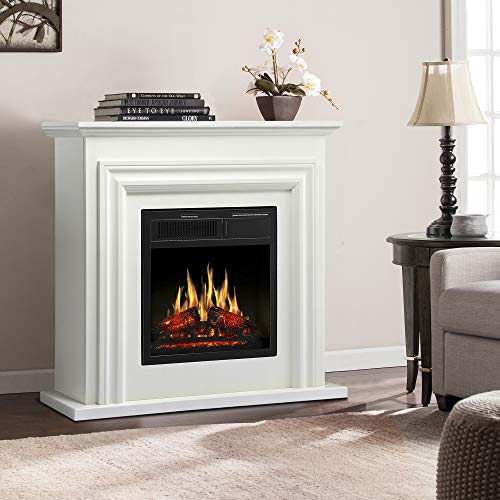
Types of Fireplaces
Fireplaces can be found in a range of styles and types, each with various attributes, expenses, and benefits. Here’s a comprehensive take a look at the most typical kinds of fireplaces available in the market today.
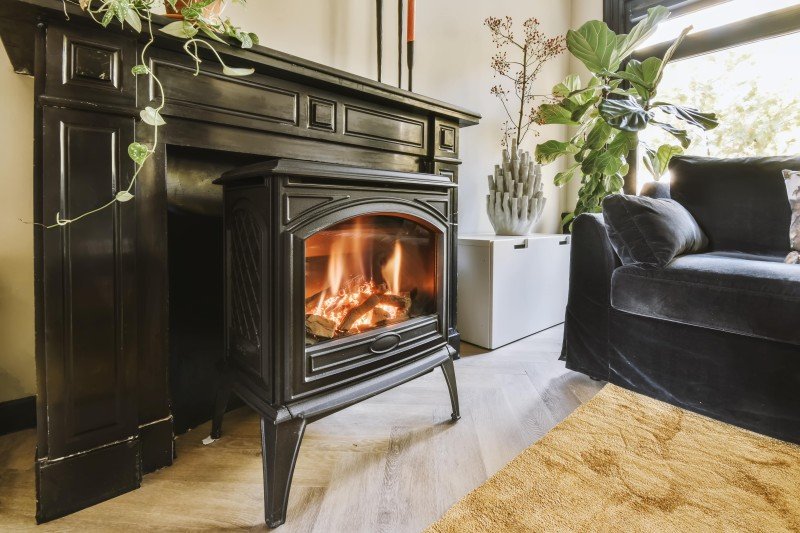
| Type of Fireplace | Description | Average Cost | Pros | Cons |
|---|---|---|---|---|
| Wood-Burning | Burn logs to produce heat and ambiance. | ₤ 1,500 – ₤ 5,000 | Authentic experience, natural heat | Needs regular upkeep, less efficient |
| Gas Fireplaces | Uses natural gas or lp to produce heat. | ₤ 2,000 – ₤ 5,000 | Easy to utilize, cleaner than wood | Minimal to gas supply, installation costs |
| Electric Fireplaces | Replicates flames with LED innovation and produces heat through electrical energy. | ₤ 200 – ₤ 3,000 | Easy installation, installation flexibility | Less genuine feel, greater operating expense |
| Pellet Stoves | Use compressed wood or biomass pellets, providing an environment-friendly alternative. | ₤ 3,000 – ₤ 4,500 | Efficient, low emissions | Needs electricity to operate, requires storage for pellets |
| Ethanol Fireplaces | Burns ethanol fuel, producing flames that do not need a chimney. | ₤ 300 – ₤ 2,500 | No vents needed, portable | Greater fuel expense, security concerns |
Elements to Consider When Choosing a Fireplace
Selecting the right fireplace is not almost visual appeals; it also involves practical factors to consider. Here are important elements to remember:
1. Budget
- Figure out how much you want to invest. Remember that setup and upkeep expenses can build up.
2. Area and Size
- Make sure the fireplace fits well within the space, thinking about both the space readily available and the heating requirements.
3. Fuel Type
- Pick the fuel source based on accessibility, expense, and the kind of atmosphere you wish to achieve.
4. Efficiency
- Go with units with high-efficiency scores to guarantee you are getting the most value for your cash in regards to heat output.
5. Visual Appeal
- Pick a style and design that complements existing decoration and enhances the total beauty of the space.
6. Laws
- Be mindful of local guidelines, allows, and structure codes that might affect your fireplace setup.
Top Best Value Fireplaces
Based upon client evaluations, expert viewpoints, and overall value for money, here are a few of the very best value fireplaces presently available in the market:
1. DuraVent Pellet Stove
- Type: Pellet
- Average Cost: ₤ 2,000
- Emphasizes: Highly efficient with low emissions, making it an excellent option for environmentally-conscious property owners.
2. Napoleon B36NTR-1
- Type: Gas
- Typical Cost: ₤ 2,500
- Highlights: This fireplace is visually appealing and highly efficient, with a streamlined design and adjustable flame.
3. Duraflame Electric Heater Stove
- Type: Electric
- Typical Cost: ₤ 200
- Emphasizes: Affordable and portable, perfect for smaller areas or adding atmosphere to a space without irreversible installation.
4. Genuine Flame Juliet Gel Fireplace
- Type: Ethanol
- Average Cost: ₤ 300
- Emphasizes: An elegant option for modern spaces that requires no venting, making it versatile and simple to set up.
5. Vogelzang VG5790
- Type: Wood-Burning
- Average Cost: ₤ 800
- Emphasizes: Offers a traditional wood-burning experience with a sleek modern style, perfect for those who cherish the traditional atmosphere.
Often Asked Questions (FAQs)
Q1: What is the most economical fireplace option?
A1: Electric fireplaces tend to be the most cost-efficient in terms of preliminary purchase price and setup, however can have greater operating expense compared to gas or pellet units.
Q2: Are gas fireplaces much safer than wood-burning fireplaces?
A2: Yes, gas fireplaces usually produce less emissions and position a lower risk of chimney fires as they do not produce creosote like wood-burning units.
Q3: Can I install a fireplace myself?
A3: While some electric fireplaces enable simple self-installation, other types, specifically gas and wood-burning designs, generally require expert setup due to venting and safety concerns.
Q4: How do I keep my fireplace?
A4: Regular upkeep consists of cleaning the chimney (for wood-burning fireplaces), looking for gas leakages (in gas systems), and making sure proper ventilation Shop For Electric Fireplaces electric designs.
Q5: Is an ethanol fireplace an excellent choice?
A5: Ethanol fireplaces are appealing for their modern design and ease of installation. Nevertheless, they can be less efficient and more pricey to run long-term compared to other fuel types.
Choosing a value fireplace that satisfies your aesthetic preferences and practical requirements includes comprehensive research and factor to consider. By understanding different types of fireplaces, their associated costs, and benefits, homeowners can make educated choices that will not just fit their budget however likewise boost the warm and inviting atmosphere of their homes. Whether choosing an electric, gas, wood-burning, pellet, or ethanol model, the best fireplace awaits to change your living space.
