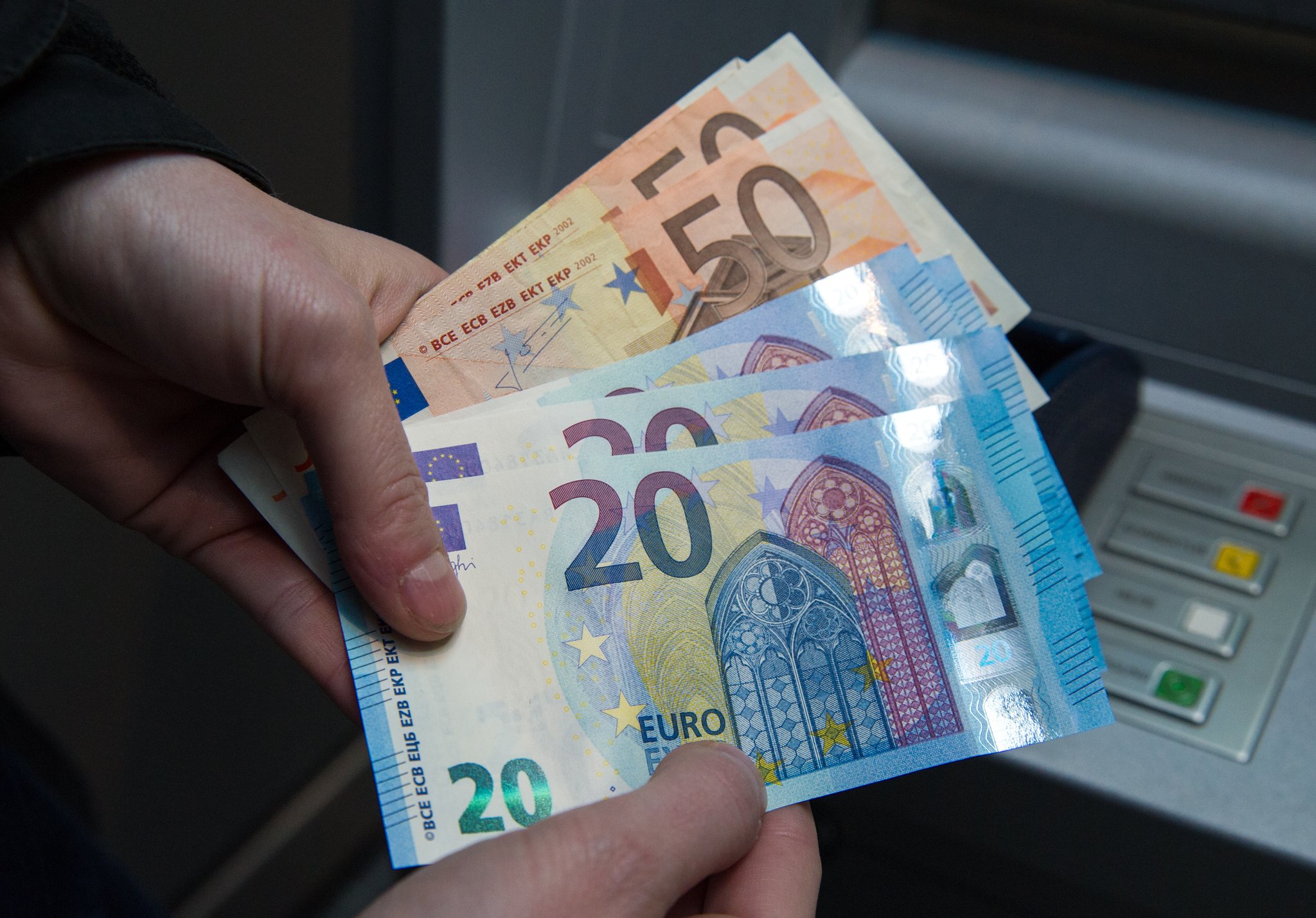
Vertrauenswürdige Falschgeld Verkäufer
FollowOverview
-
Sectors Restaurant / Food Services
-
Posted Jobs 0
-
Viewed 81

Company Description
20 Fun Facts About Buy Fakes
The Reality of Buying Fakes: Understanding the Risks and Implications
In today’s consumer-driven society, the allure of counterfeit products is more potent than ever. From designer bags to electronic devices, lots of individuals discover themselves lured by the apparently attractive prices of these knockoff products. However, the implications of purchasing fakes extend beyond simple economics; they incorporate legal, ethical, and social measurements that consumers frequently overlook. This post intends to provide an extensive understanding of the phenomenon of purchasing counterfeit items, checking out the threats related to it while resolving typical questions surrounding the topic.

What Are Counterfeit Products?
Counterfeit products are imitation products that are designed to resemble and deceive customers into thinking they are purchasing authentic items. They are normally produced without the approval of the initial brand owner and frequently offered at a portion of the rate of authentic items. Counterfeiting can occur across different industries, consisting of fashion, electronics, cosmetics, and pharmaceuticals.
Kinds Of Counterfeit Products
-
Luxury Goods: High-end style items, accessories, and charm products prevail targets for falschgeld kaufen kryptowährung counterfeiters. Fakes might include replica designer bags, shoes, and clothing.
-
Electronics: Counterfeit electronics, including smartphones and laptop computers, may do not have the quality and dependability of genuine short articles, putting users at risk.
-
Pharmaceuticals: Fake medications posture a severe danger to public health, as they may contain harmful active ingredients or lack effectiveness.
-
Software: Pirated software application can jeopardize user security and breaches copyright rights.
The Allure of Buying Fakes
Cost Savings
Among the primary factors customers choose counterfeit items is the expense difference. For those on a spending plan, reproductions might appear as an appealing alternative to the high price tags of initial items.
Availability
Counterfeit products are typically more available than authentic products, particularly for classes of individuals who can not manage high-end brands. The increase of online markets has made counterfeit products even much easier to find and acquire.
Social Acceptance
In some circles, owning a counterfeit designer item can serve as a status sign, albeit a controversial one. This practice can foster a culture where brand name representation takes precedence over credibility.
The Risks of Purchasing Counterfeit Products
While the instant temptation to buy fakes might appear appealing, the consequences can be significant:
1. Legal Consequences
The production and sale of counterfeit goods are illegal in many countries. Buying counterfeit items can expose consumers to potential fines, legal action, or confiscation of unlawful items.
2. Quality and Safety Concerns
Counterfeit items normally undergo lax production standards. They might be made from inferior products, posing risks such as poor performance or security dangers. For example, counterfeit electronics may overheat or malfunction, leading to potential injuries.
3. Ethical Implications
Buying fake items supports dishonest company practices. Counterfeit manufacturing contributes to the exploitation of workers, often including controversial labor practices, kid labor, and substandard working conditions.
4. Damage to Brand Integrity
The proliferation of fake goods weakens the effort and innovation of authentic brands. Brand name owners deal with erosion of credibility and revenue due to counterfeiters profiting at their expenditure.
Frequently Asked Questions (FAQs)
Q: Are there any legal consequences for purchasing counterfeit products?
While laws vary by country, buying counterfeit goods can sometimes carry ramifications such as fines or confiscation of items. It’s necessary to know the legal framework in your location.
Q: How can I recognize counterfeit products?
Try to find:
- Misspellings: Check product labels for disparities.
- Quality Differences: Authentic goods frequently have higher quality finishing and materials.
- Price Too Good to be True: If the price is significantly lower than the marketplace value, it might be a warning.
Q: What should I do if I inadvertently buy a counterfeit item?
If a customer realizes they have acquired a counterfeit product, they should:
- Cease Use: Stop utilizing the item to prevent safety dangers.
- Report: Notify the platform or seller, and report the counterfeit to the proper authorities as needed.
Q: Can I report counterfeit sellers?
Yes, consumers can often report counterfeit goods to different online marketplaces, local police, and relevant authorities, such as the International AntiCounterfeiting Coalition.
Alternatives to Buying Fakes
If individuals discover themselves drawn to counterfeit products, thinking about options might be better:
1. Thrift Shopping: Purchasing second-hand genuine items is a sustainable choice. Thrift stores, consignment stores, and online second-hand platforms can use genuine products at minimized prices.
2. Sales and Discounts: Keep an eye out for sales, promos, and clearance occasions used by genuine brand names.
3. Inexpensive Alternatives: Many companies offer budget-friendly options that record comparable visual appeals without jeopardizing brand stability.
4. Do it yourself Projects: For those with innovative abilities, making customized items can be a satisfying and special option to acquiring fakes.
The decision to purchase counterfeit products may appear advantageous on the surface area, however the multifaceted dangers involved– from legal consequences to ethical concerns– must be carefully considered. In a world significantly concentrated on sustainability and authenticity, customers have the power to make options that reflect their values by choosing for genuine products or sustainable options. By cultivating awareness about the ramifications of such purchases, society can work towards a more ethical customer culture that prioritizes quality, security, and stability.